
Products
Fire Weather Risk
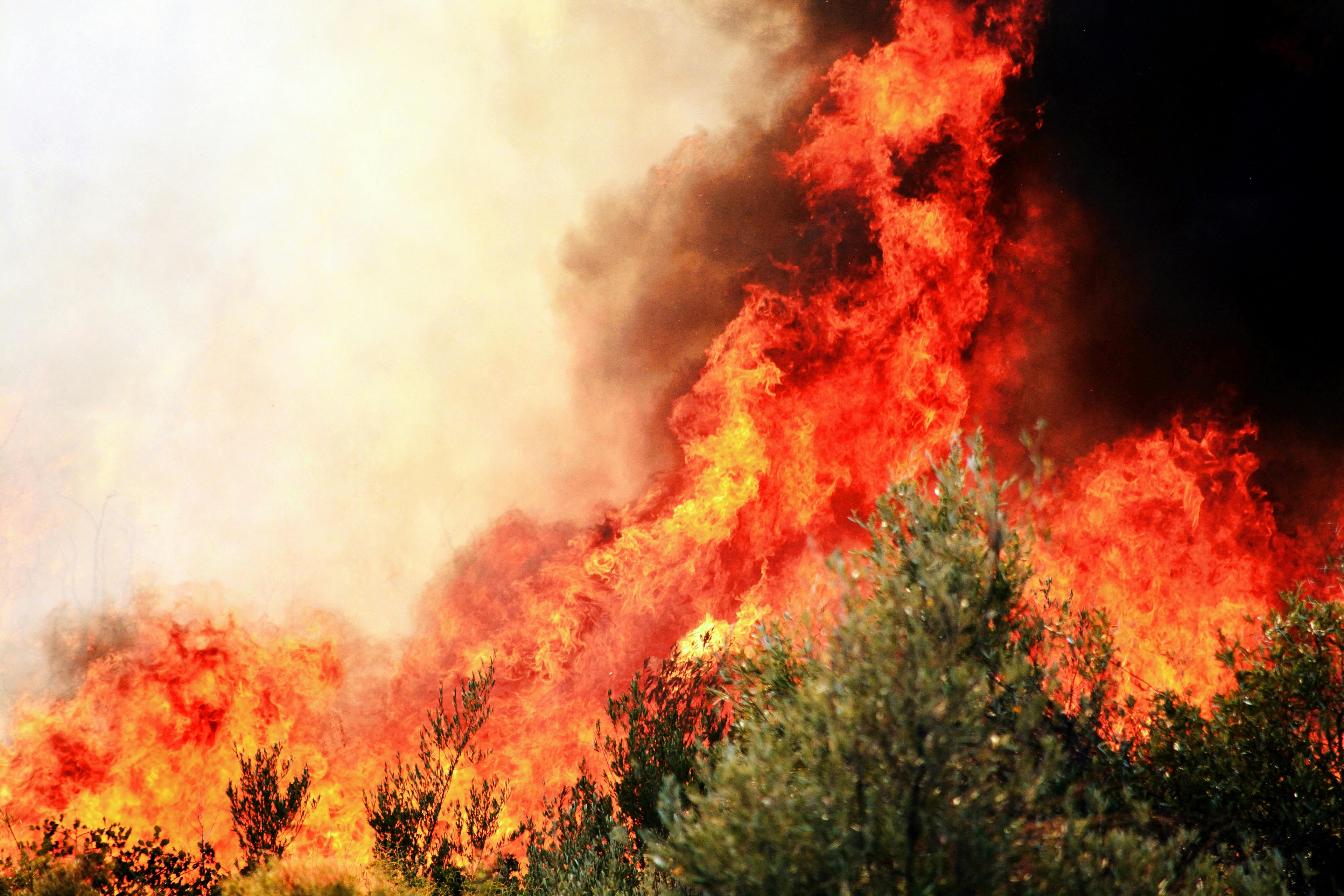
With increased heat and tinder-dry ground conditions, the perfect conditions for Fire Weather can be created. The events of 2022 and now in 2026 show how wildfires can break out in both rural and urban locations. The dataset identifies how Fire Weather risk could and will expand across the country into the future.

Intro
A Climate-specific Dataset for Assessing Change in Wildfire Risk
As our spring and summer seasons get warmer through climate change, so droughts and tinder-dry vegetation, along with long periods of high temperatures and wind, can create the ideal set up for Fire Weather and wildfire risk.
In the future, higher temperatures and longer periods without rain will lead to increasing risk of wildfire. Most wildfires occur on the rural/urban interface, which could potentially affect up to 1.8 million properties.
Whilst wildfires in the UK destroy few properties, the impact is felt more widely, with more households included in mandatory evacuation zones, and yet more suffering poor air quality.
Need
Why this matters to Clients
Limited risk of property destruction but:
--- increased chances of being caught up in evacuations.
--- increased chances of experiencing poor air quality.
--- any wildfire close to the rural/urban interface could lead to a total loss of property.
--- Infrastructure fails due to heat, could create fire risks in urban areas.
Related Products

Cold Spell Days

Heatwave Days
As our summers grow ever hotter, it is our urban areas that are in the frontline of climate change. Our data identifies hotspots based on the density of building fabric, extent of hard surfaces and proximity of green space to provide a comprehensive view of localised warming that could have serious health impacts to residents and workers.